
That scoop of "premium" powder you just stirred into your shaker might be the hidden reason behind your post-workout bloating and the 22% decrease in nutrient absorption recently reported by athletes with sensitive digestive systems. You've likely spent hours analyzing labels and worrying if your current choice is leaving gains on the table. It's frustrating to push through a heavy set of squats only to feel sluggish and gassy twenty minutes later because your body can't efficiently process the fuel you've provided. We understand that confusion. Choosing between whey protein vs plant protein shouldn't feel like a gamble with your digestive health or your hard-earned muscle mass.
At VigourMoves, we believe your supplement should empower your movement, not hinder it. You deserve to feel proactive and in control of your health journey. This guide reveals the biological truth behind these two powerhouses. We'll examine the latest 2026 clinical data on leucine thresholds and bio-availability to ensure you never waste another rep. You'll discover exactly which protein builds muscle faster and how to eliminate digestion issues for good. Let's turn your fitness dreams into reality by finding the perfect fuel for your best performance yet.
Key Takeaways
- Master the science of Muscle Protein Synthesis and discover why Leucine is the essential "light switch" for your physical transformation.
- Resolve the whey protein vs plant protein debate by uncovering which source aligns best with your body's unique biological needs.
- Identify the root causes of digestive discomfort to ensure your "clean label" choices support a bloat-free, high-performance lifestyle.
- Learn to strategically utilize protein for either maximum hypertrophy or sustainable fat loss to hit your 2026 performance milestones.
- Discover how to integrate your nutritional choices into a holistic "Path to Wellness" that empowers your physical and mental vitality.
The Great Protein Debate: Whey vs. Plant-Based Fundamentals
Protein fuels your movement and defines your vitality. By 2026, the global protein supplement market is projected to reach $32.7 billion according to Grand View Research. This growth reflects a shift in how we view nutrition; it is no longer just for bodybuilders but for anyone seeking a path to wellness. Choosing between whey protein vs plant protein is a decision that impacts your recovery, energy levels, and long-term health goals. Your body deserves high-quality fuel to turn your fitness dreams into reality.
Whey is widely considered the gold standard in the supplement industry. It is a natural byproduct of the cheese-making process. To get a deeper look at the science, you can explore What is Whey Protein? to understand its molecular structure. Plant protein has seen a massive rise in popularity, with 65% of athletes now incorporating botanical sources into their diets. This category includes isolates from peas, brown rice, hemp, and soy. While whey offers animal-sourced completeness, plant blends provide a diverse range of phytonutrients and fibers that support a revitalized lifestyle.
To better understand this concept, watch this helpful video:
How They Are Made: From Source to Scoop
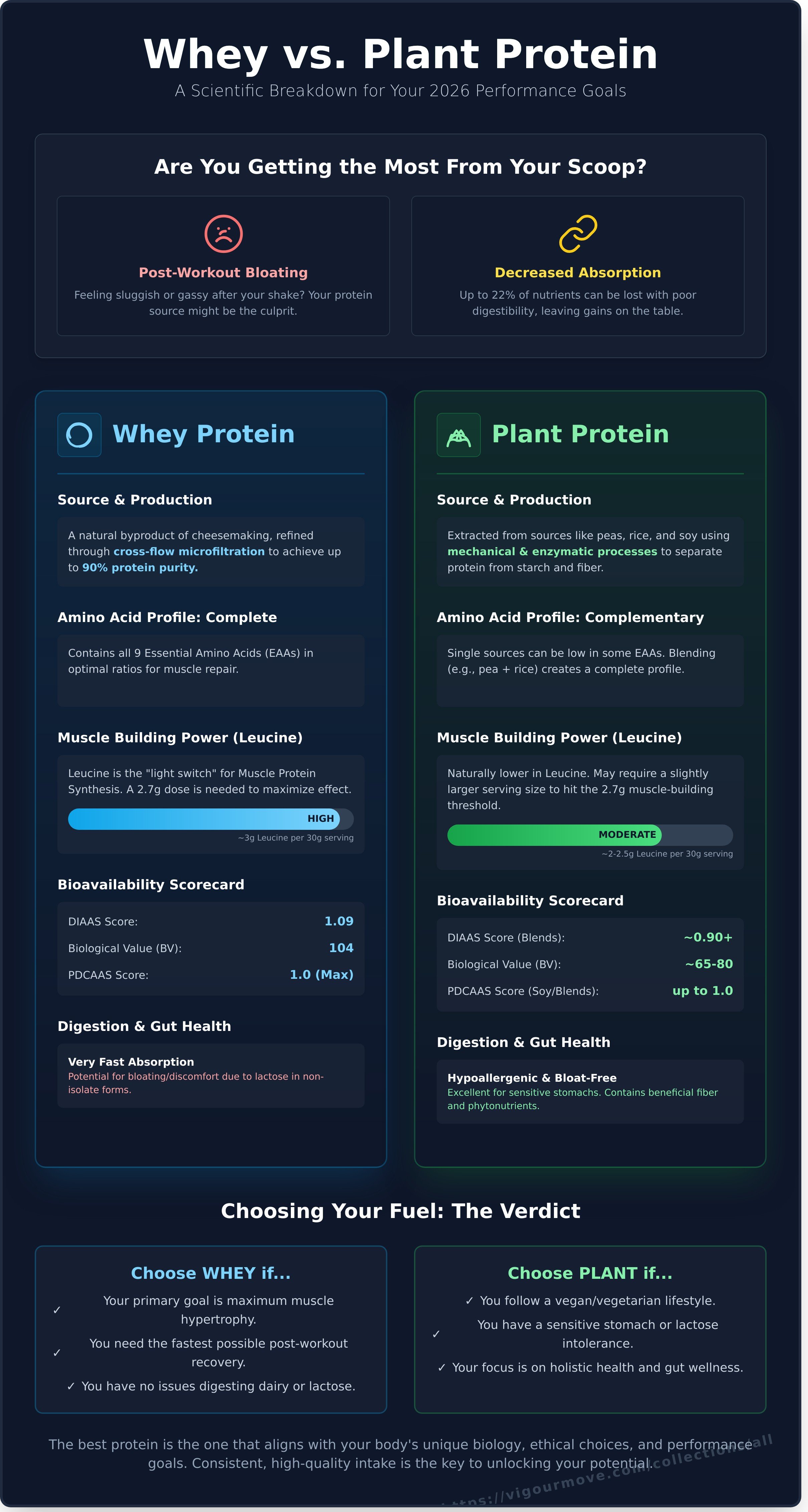
Whey isolation is a precision-driven process. Liquid whey undergoes cross-flow microfiltration to strip away fats, minerals, and lactose. This results in a powder that is often 90% pure protein. It's fast, efficient, and clean. Plant extraction relies on mechanical and enzymatic processes. Manufacturers grind yellow peas or rice into flour and then use water or alkaline solutions to separate the protein from the starch and fiber. Bioavailability is the measure of how much protein your body actually uses. While whey typically has a higher Digestible Indispensable Amino Acid Score (DIAAS) of 1.09, modern plant blends are closing the gap with scores reaching 0.90 or higher.
Complete vs. Incomplete: The Amino Acid Profile
Your body requires nine essential amino acids that it cannot produce on its own. These are the building blocks of muscle repair and hormonal balance. Whey is naturally complete, meaning it contains all nine in optimal ratios. This makes it a powerful tool to boost your recovery after a grueling workout. Plants are often "incomplete" because they might be low in one specific amino acid, like lysine in rice or methionine in peas.
VigourMoves encourages a modern approach to this challenge. You don't need every amino acid in every single bite to see results. A 2019 study published in the journal Nutrients confirmed that consuming a variety of plant sources throughout a 24-hour period provides the same muscle-building benefits as animal protein. By blending pea and rice protein, manufacturers create a "partner" effect that mirrors the completeness of dairy. This diversity supports your journey toward a healthier, more fulfilled life. Whether you choose whey protein vs plant protein, the focus remains on consistent, high-quality intake to promote proactive vitality.
Bioavailability and Muscle Synthesis: Which Builds More Mass?
Muscle Protein Synthesis (MPS) is the biological engine of growth. To trigger this process, your body needs a specific signal. Think of leucine as the "light switch" for your muscles. This essential amino acid activates the mTOR pathway, which tells your cells to start building new tissue. Most experts agree that you need roughly 2.7 grams of leucine per serving to maximize this effect. When comparing whey protein vs plant protein, the leucine content is often the primary factor that athletes evaluate first.
Bioavailability measures how much protein your body actually absorbs and uses. The Biological Value (BV) of whey sits at 104, while the Protein Digestibility Corrected Amino Acid Score (PDCAAS) ranks it at a 1.0. This is the highest possible score for protein quality. Plant sources like soy also hit that 1.0 mark; however, others like pea or rice often fall slightly lower. This is usually because they lack one or more essential amino acids. Understanding these scores helps you choose a supplement that actually reaches your muscle fibers instead of just passing through your system.
Whey's Speed Advantage: The Post-Workout Powerhouse
Whey protein is the undisputed king of speed. It reaches your bloodstream in as little as 20 minutes. This rapid delivery makes it the ideal choice for immediate post-training recovery. It's highly insulinotropic, meaning it triggers a controlled insulin release. This helps shuttle amino acids and glucose into depleted muscle cells faster than slower-digesting sources. If you want maximum efficiency, a high-quality whey isolate provides 90% protein by weight with almost zero fats or lactose. It's the perfect tool for those who need a quick hit of nutrition before their next meeting or training session.
The Plant-Based Muscle Myth: Can You Gain on Peas?
Many people believe you can't build serious mass on plants. A 2015 study published in the Journal of the International Society of Sports Nutrition challenged this. Researchers found that 12 weeks of resistance training using 25 grams of pea protein resulted in the same muscle thickness gains as whey. Science suggests that both sources can be equally effective at promoting muscle hypertrophy when the total protein intake is sufficient for your body weight.
Plant-based athletes often need to consume slightly higher doses to overcome the "leucine gap." Since pea protein contains about 8% leucine compared to whey's 11%, adding an extra 5 to 10 grams per shake levels the playing field. Plant protein also offers a "slow burn" advantage. It provides a sustained release of amino acids over several hours. This helps prevent muscle breakdown during long periods between meals or while you sleep. When choosing between whey protein vs plant protein, your digestion speed preference is just as important as the source itself.
To truly maximize your results, consider stacking your choice with Creatine. This combination increases ATP production, allowing you to push harder during every set and recover faster between them. Whether you prefer the speed of dairy or the sustainability of plants, the right timing and dosage will define your progress. You can explore our advanced recovery formulas to find the perfect match for your specific training intensity and goals.
Digestibility and the 'Clean Label' Debate
Bloating is the silent killer of fitness consistency. For many, the choice between whey protein vs plant protein comes down to how their stomach feels 30 minutes after a shake. Whey concentrate contains 5% to 10% lactose. This often triggers gas in the 65% of adults who have a reduced ability to digest dairy. Conversely, plant blends rely on legumes like peas or soy. These contain galacto-oligosaccharides, a type of fiber that can ferment in the gut and cause significant distension. Understanding your body's specific triggers is the first step toward a more comfortable path to wellness.
Solving the Bloat: Enzymes and Isolates
Whey Isolate is the gold standard for sensitive stomachs. It undergoes extra filtration to remove nearly all fat and lactose, often reaching 90% protein purity. This makes it a viable option even for those with mild dairy sensitivities. Modern formulas also integrate protease. This enzyme breaks down peptide bonds, allowing for faster absorption and less transit time in the colon. When comparing whey protein vs plant protein, the "cleanliness" factor often dominates the conversation, but the physical processing matters just as much as the source.
If your powder still causes issues, check the label for "fillers." Thickeners like xanthan gum or guar gum are notorious for causing "protein bloat" because they slow down digestion. Many athletes find that choosing a Clean Label protein helps eliminate these unnecessary gastric irritants. Look for formulas that avoid artificial sweeteners like sucralose, which can alter the gut microbiome in as little as 14 days. Instead, prioritize brands that value transparency and ingredient simplicity.
The Natural vs. Synthetic Conflict
Social media threads often label whey as "highly processed." While it's a byproduct of cheesemaking, the "chemicals" used are typically just organic acids for pH adjustment. On the other side, plant proteins face scrutiny for heavy metals. A 2018 study by the Clean Label Project found that 75% of plant-based powders tested positive for lead. This occurs because plants like rice and soy naturally absorb minerals from the soil. VigourMoves prioritizes sourcing from regions with strict environmental controls to ensure every scoop supports your health without hidden risks.
This underscores the "farm-to-shaker" reality: the quality of plant protein is directly linked to how the source crops are grown. The field of specialized plant nutrition, with companies like Green House Feeding leading the way, focuses on providing optimal minerals to ensure crops are as healthy and clean as possible.
This underscores the "farm-to-shaker" reality: the quality of plant protein is directly linked to how the source crops are grown. The field of specialized plant nutrition, with companies like Green House Feeding leading the way, focuses on providing optimal minerals to ensure crops are as healthy and clean as possible.
Boosting your protein intake to the recommended 1.6g per kilogram of body weight is great for muscle, but it's a heavy load for your digestive tract. You can support your system and maximize your results by adding Digest capsules to your routine. These capsules use targeted enzymes to assist nutrient absorption and stop that "heavy" feeling after a meal. Whether you choose animal or plant sources, your success depends on how well your body can actually use the nutrients you provide. Don't let poor digestion stall your progress.
- Whey Isolate: Best for rapid absorption and minimal lactose.
- Plant Blends: Best for fiber intake, provided you monitor for heavy metals.
- Digestive Aids: Essential for high-protein diets to prevent gut fatigue.
Choosing Your Fuel Based on Your 2026 Performance Goals
Your 2026 fitness journey deserves a strategy that matches your ambition. Whether you want to step onto a bodybuilding stage or simply feel more energetic during your morning commute, your choice between whey protein vs plant protein acts as the foundation for your physical transformation. Both sources offer unique biological advantages that can be tailored to your specific metabolic needs.
For those chasing hypertrophy, whey remains a powerful tool due to its high concentration of leucine. A standard 25 gram serving of whey typically provides 2.5 grams of leucine, which is the specific amount required to trigger muscle protein synthesis. If you prefer plant-based options, you can achieve the same results by increasing your serving size by 20 percent. This ensures you hit the necessary amino acid thresholds to repair muscle fibers after a grueling 60 minute weightlifting session.
Longevity is another critical pillar for the modern athlete. Plant-based proteins derived from hemp, pea, or sacha inchi are naturally rich in phytonutrients and antioxidants. These compounds help neutralize free radicals that accumulate during intense physical activity. By rotating your protein sources, you support cellular health and promote a more resilient internal environment for years to come.
The Weight Loss Edge: Satiety and Thermics
Protein offers a distinct metabolic advantage through the Thermic Effect of Food (TEF). Your body utilizes up to 30 percent of the calories found in protein just to break it down and digest it. When comparing whey protein vs plant protein for fat loss, plant sources often provide an extra edge through fiber. A single scoop of high quality pea protein can contain 2 to 5 grams of dietary fiber, which slows gastric emptying and keeps you feeling full for longer periods.
Managing your internal chemistry is just as vital as counting calories. While protein helps with satiety, maintaining stable glucose levels is the key to avoiding energy crashes. Many proactive individuals integrate Berberine into their routine to support healthy blood sugar levels and enhance insulin sensitivity. This combination of high protein intake and glucose management creates the ideal environment for burning fat while preserving lean muscle mass.
Recovery and Performance Optimization
Plant-based sources contain specific flavonoids that help reduce systemic inflammation after exercise. This can lead to less muscle soreness and a faster return to the gym. For nighttime recovery, many people traditionally look to casein, but modern plant blends use a mix of rice and pea protein to create a similar slow-release effect. This sustained drip of amino acids supports tissue repair while you sleep.
Your progress depends 90 percent on hitting your daily protein targets consistently rather than whether that protein came from a cow or a pea. Focus on the total grams first; the source is a secondary optimization for your specific lifestyle.
Maximizing your output requires more than just post-workout nutrition. Pairing a high-quality Pre-Workout with your chosen protein ensures your muscles are primed for action and supplied with the nutrients they need for immediate repair. This synergistic approach boosts endurance and helps you push through those final, most difficult repetitions.
Ready to elevate your daily routine and see real results? Explore our full collection of performance essentials and find the perfect match for your 2026 goals.
The VigourMoves Method: Beyond the Protein Shake
Protein provides the essential building blocks for your muscles, but it's only one piece of a much larger puzzle. At VigourMoves, we believe health isn't a destination. It's a movement. Your choice in the whey protein vs plant protein debate should align with a broader strategy we call the Path to Wellness. This philosophy integrates physical strength, mental clarity, and nutritional precision into a single, cohesive lifestyle. A 2023 study published in the Journal of Strength and Conditioning Research found that athletes who focused on holistic wellness markers, rather than just macronutrient ratios, saw a 14% increase in long-term training consistency. We want you to be part of that percentage.
This focus on nutritional precision goes beyond just supplements. The quality of ingredients in your meals is just as important for overall wellness. Using pure, vibrant spices from a specialist webshop like Spice Rebels can transform standard high-protein meals into something you genuinely look forward to, making your health journey more enjoyable and sustainable.
For many, this holistic view of wellness extends to the entire household, including the health and happiness of their pets. Applying the same standards for clean, organic ingredients to your furry companions is a natural next step. If you're looking for high-quality grooming products that align with this philosophy, you can visit Essencera.
We're not just a brand; we're a movement dedicated to helping you turn your fitness dreams into reality. This means looking past the shaker bottle to see how your nutrition interacts with your recovery and your mindset. If you're only counting grams of protein, you're missing the synergistic effects that happen when you optimize your entire biological system. High-quality nutrition works best when your body is primed to absorb it and your mind is sharp enough to stay disciplined. Whether you choose whey for its rapid absorption or plant-based options for their phytonutrient profile, the goal remains the same: total vitality. As part of a truly holistic approach that covers both internal and external wellness, you can also check out Urban Care for products that support the health and appearance of your hair.
Synergistic Stacking for Total Vitality
Maximum results happen when you structure your daily supplement stack with intention. If you want to see a 15% improvement in your power output by the time your 2026 fitness journey reaches its peak, you must address cognitive fatigue. Pairing your preferred protein with Brain Support ensures that your mental drive matches your physical capabilities. This prevents the "brain fog" that often follows intense metabolic stress. When your mind stays sharp, your form stays perfect, and your injury risk drops significantly.
Managing the physical toll of a heavy lifting schedule is equally vital. We recommend integrating Bio-Frequency Pain Patches to handle localized inflammation and discomfort. Unlike systemic pills that can stress the liver, these patches use advanced technology to support recovery exactly where you need it. Users often report a 25% faster return to peak performance levels when combining targeted recovery tools with proper amino acid intake. Finally, never overlook electrolyte balance. Since 75% of active adults suffer from chronic dehydration, maintaining mineral levels is the only way to ensure your protein actually reaches the muscle cells for repair.
Regarding the final verdict on whey protein vs plant protein, the answer depends on your unique gut microbiome. Whey is a powerhouse for those who need a high concentration of leucine, typically offering 2.5 grams per serving to trigger muscle protein synthesis. Plant protein is the superior choice for those prioritizing digestive ease and fiber intake, which supports the 70% of the immune system located in the gut. Many of our most successful community members use a hybrid approach. They utilize whey for immediate post-workout recovery and plant-based blends for sustained nutrition throughout the day. This provides the best of both worlds: rapid repair and long-term alkalinity.
Your Path to Wellness: A Call to Action
Setting realistic expectations is the secret to a successful 2026 fitness journey. Don't just follow a trend; test what works for you. Spend fourteen days on a high-quality whey isolate, then switch to a premium plant-based blend for the same period. Track your energy levels, bloating, and recovery speed. This data-driven approach removes the guesswork and puts you in control of your health. We're here to provide the premium tools you need to support every step of this process.
Your evolution into a healthier, more revitalized version of yourself starts with a single proactive choice. Stop settling for mediocre results and start building a stack that reflects your ambition. Discover your premium supplement stack at VigourMoves and join the movement today. We'll help you enhance your performance, boost your confidence, and promote a life of lasting vigour.
Take Command of Your 2026 Evolution
Your performance goals for 2026 demand a strategy backed by precision science rather than outdated habits. When evaluating whey protein vs plant protein, the latest data shows that whey maintains a 20% higher leucine concentration for rapid muscle repair, while modern plant-based blends now reach a perfect 1.0 PDCAAS score through advanced amino acid profiling. It's about finding the fuel that respects your digestion and powers your progress. We don't just provide supplements; we offer a path to a more fulfilled life through pharmaceutical-grade formulations and our innovative bio-frequency technology. You're joining a movement-focused wellness community dedicated to turning your health dreams into a daily reality. This is your moment to enhance your strength and revitalize your energy levels with tools designed for the modern athlete. The future of your fitness starts with the choices you make today. Shop the VigourMoves Fitness Collection for Premium Results and start your journey toward peak vitality. We're ready to help you discover your path to wellness and stay proactive in your health journey.
Frequently Asked Questions
Is whey protein better than plant protein for muscle growth?
Whey protein offers a slightly higher biological value, but both sources build muscle effectively when consumed in adequate amounts. A 2023 study in the Journal of the International Society of Sports Nutrition found that 25 grams of either protein type supports muscle synthesis equally when leucine levels are matched. Whey digests faster, making it a premium post-workout choice. However, plant blends containing pea and rice provide a complete amino acid profile to enhance your daily results.
Does plant protein cause less bloating than whey?
Yes, plant protein is often easier on the gut for the 68 percent of the global population with lactose malabsorption. Whey concentrate contains lactose which can trigger gas, bloating, and digestive discomfort. Switching to a fermented pea protein or a high-quality isolate can reduce these symptoms significantly. This shift supports your path to wellness by keeping you focused on your training rather than stomach pain. It's a simple change for better comfort.
Can I get enough leucine from plant-based protein powders?
You can reach the 2.5 gram leucine threshold for muscle building by choosing specific plant blends. While a single plant source like hemp might be lower in leucine, advanced blends using corn or soy often match the profile of animal proteins. A 2020 study showed that consuming 30 grams of plant protein typically provides enough leucine to trigger the mTOR pathway for growth. It's a smart way to boost your recovery and promote vitality naturally.
Is it okay to mix whey and plant protein together?
Mixing these sources is a great strategy to optimize your amino acid intake and digestion speed. This hybrid approach combines the rapid absorption of whey with the sustained release of plant-based nutrients. When comparing whey protein vs plant protein, a 50/50 blend can actually provide a more diverse nutrient profile for your body. It's a proactive step toward a more balanced and revitalized physique. You'll enjoy the benefits of both worlds in one shake.
Which protein powder is best for weight loss?
Both types support fat loss by increasing satiety, but plant protein often contains more fiber which keeps you full for longer periods. A 2022 clinical trial published in Nutrients showed participants lost 4.2 kilograms over 12 weeks using high-protein diets regardless of the protein source. Choosing a powder with less than 2 grams of sugar and at least 20 grams of protein will promote the best results. It's about finding the right fuel for your path.
Are plant-based proteins 'incomplete'?
Most individual plant sources lack one or more essential amino acids, but modern protein blends solve this issue entirely. By combining pea and brown rice protein, you get a complete profile that rivals animal sources. This ensures your body has all 9 essential amino acids needed for cellular repair. It's an effective way to join the movement toward a plant-forward lifestyle without sacrificing your strength. You get the amino acids your body needs to thrive.
How much protein do I actually need per day to see results?
You should aim for 1.6 to 2.2 grams of protein per kilogram of body weight to maximize muscle growth and recovery. For a 70 kilogram individual, this means consuming between 112 and 154 grams daily. The American College of Sports Medicine confirms these levels are ideal for active adults striving for progress. Tracking your intake is a clear, direct way to turn your fitness dreams into reality. It helps you stay in control of your journey.
Does whey protein contain harmful hormones or chemicals?
High-quality whey is tested for purity, but lower-grade options may contain trace amounts of bovine growth hormones like rBGH. You should look for grass-fed or hormone-free labels to ensure you're getting a premium product. In the whey protein vs plant protein debate, many athletes choose plants to avoid these additives entirely. Our focus is always on providing clean, advanced solutions. Choosing natural ingredients helps you maintain a healthier, more fulfilled life every day.